
Microphones play a huge role in how your voice or sound is heard, yet many people end up buying the wrong one simply because they don’t understand the different types of microphones available. Whether you’re recording YouTube videos, starting a podcast, performing live on stage, teaching online, or setting up a home studio, the microphone you choose can instantly elevate—or ruin—your audio quality.
This ultimate buyer’s guide is created to remove that confusion. Instead of overwhelming you with complex audio terms, we explain each microphone type in plain language, show where it works best, and highlight the real technical benefits that matter in everyday use. If you want to avoid wasting money and confidently choose the right microphone for your needs, this guide will walk you through everything step by step.
Types of Microphones
There are five main types of microphones, each designed for specific recording situations:
- Dynamic Microphone – Best for live performances, stage vocals, and loud environments. Tough, reliable, and resistant to background noise.
- Condenser Microphone – Ideal for studio recording, podcasts, voiceovers, and detailed vocals. Captures rich sound detail but needs external power.
- Lavalier (Lapel) Microphone – Small clip-on mic commonly used for interviews, presentations, and hands-free recording.
- Shotgun Microphone – Highly directional mic used in filmmaking, video production, and outdoor recording.
- USB Microphone – Plug-and-play microphone perfect for beginners, streaming, podcasting, and home recording.
The best microphone type depends on what you record, where you record, and how much control you want over your sound.
What Are Microphones and How Do They Work?
A microphone is a device that converts sound waves into electrical signals so your voice or instrument can be recorded or amplified. Different microphone types use different internal technologies, which affects how sensitive they are, how much background noise they capture, and how natural the sound feels. Understanding these basics helps you choose a microphone that fits your environment and recording goals.
Microphone Types by Use Case (Quick Reference Table)
| Use Case | Best Microphone Type |
| Live singing & stage use | Dynamic microphone |
| Studio vocals & music | Condenser microphone |
| Interviews & presentations | Lavalier microphone |
| Video production & filmmaking | Shotgun microphone |
| Streaming & podcasting | USB microphone |
Which Type of Microphone Is Best?
There is no single “best” microphone for everyone.
The right microphone depends on:
- Where you record (studio, stage, outdoors)
- What you record (voice, music, video)
- Your experience level (beginner or professional)
For beginners, USB and dynamic microphones are usually the easiest and most forgiving. For advanced or professional setups, condenser and shotgun microphones deliver more detail when used in the right environment.
Main Types of Microphones
1. Dynamic Microphone
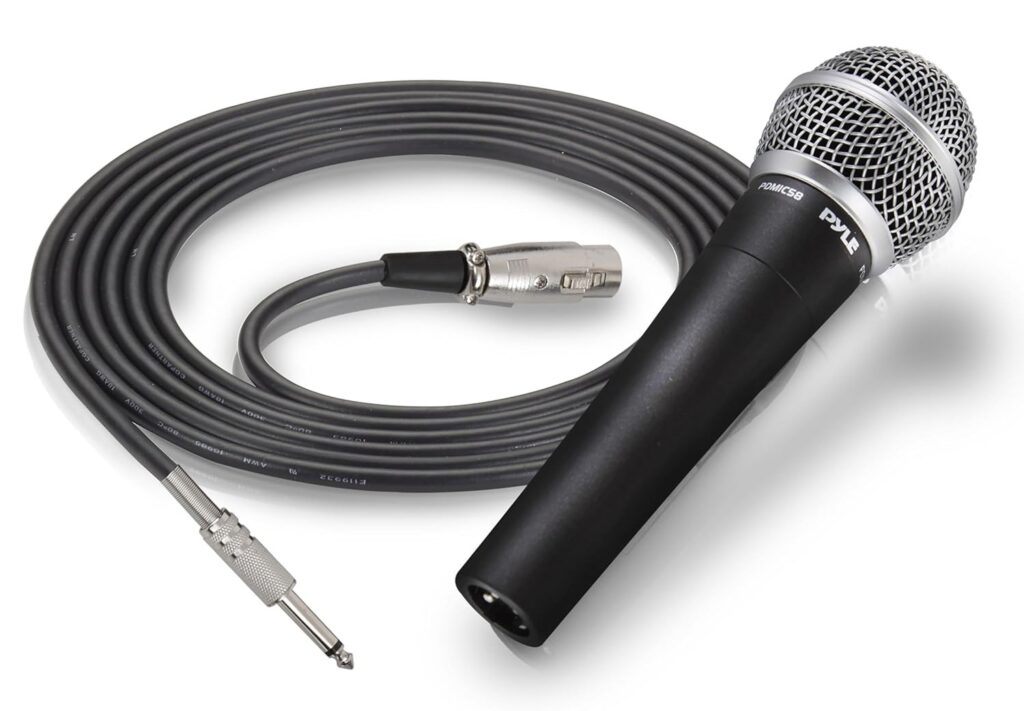
Dynamic microphones are known for their durability and reliability. They are widely used in live performances, concerts, public speaking, and loud sound environments. These microphones can handle high sound levels without distortion and do not require external power, making them very easy to use. Technically, dynamic mics are less sensitive, which helps reduce background noise in noisy spaces. While they may not capture fine audio details like studio microphones, they deliver strong, clear vocals where it matters most. If you need a tough, low-maintenance microphone that performs consistently, a dynamic microphone is a smart choice. BUY NOW
2. Condenser Microphone
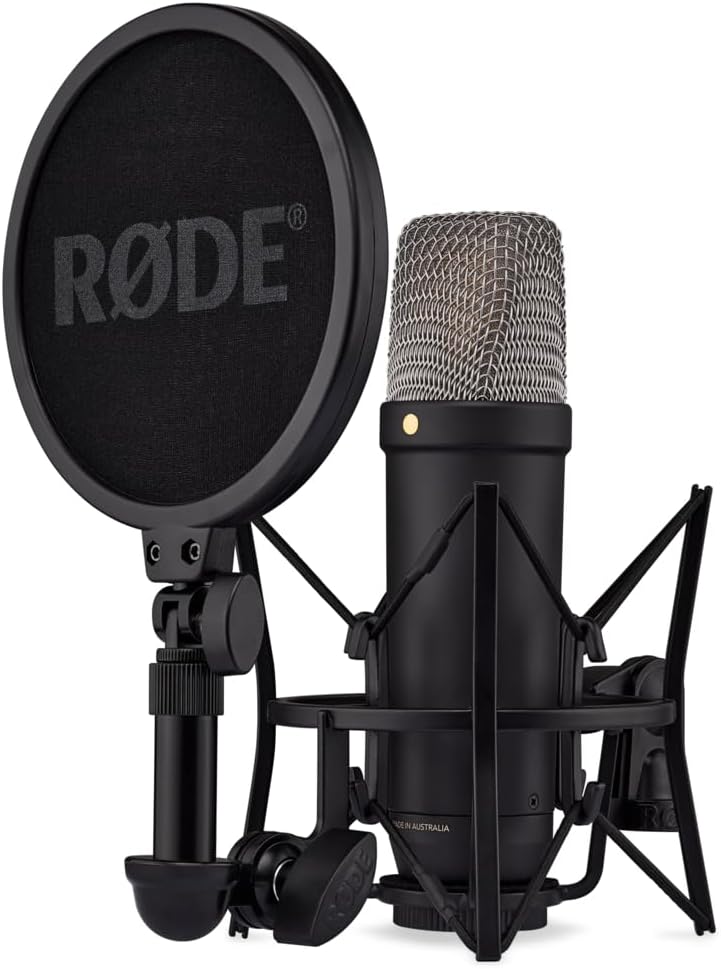
Condenser microphones are popular for studio recording, podcasting, voiceovers, and acoustic instruments. They are highly sensitive and capture detailed, natural-sounding audio. Because of their lightweight diaphragm, they pick up subtle vocal tones and high frequencies very well. However, they require phantom power or batteries to operate. Condenser mics are best used in quiet or treated rooms, as they can capture unwanted background noise. If sound clarity and detail are your top priorities, a condenser microphone is hard to beat. BUY NOW
3. Lavalier (Lapel) Microphone
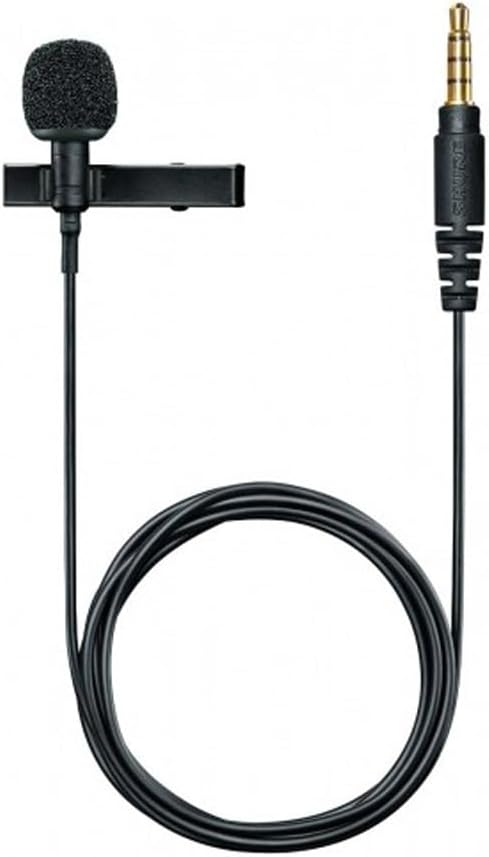
Lavalier microphones are small, discreet, and designed for hands-free use. They are commonly clipped to clothing and used in interviews, presentations, online classes, and video production. These microphones provide consistent voice pickup even when the speaker moves around. While they don’t offer studio-level depth, they are incredibly convenient and practical. Lavalier microphones are ideal when mobility, comfort, and clean voice recording are more important than absolute audio detail. BUY NOW
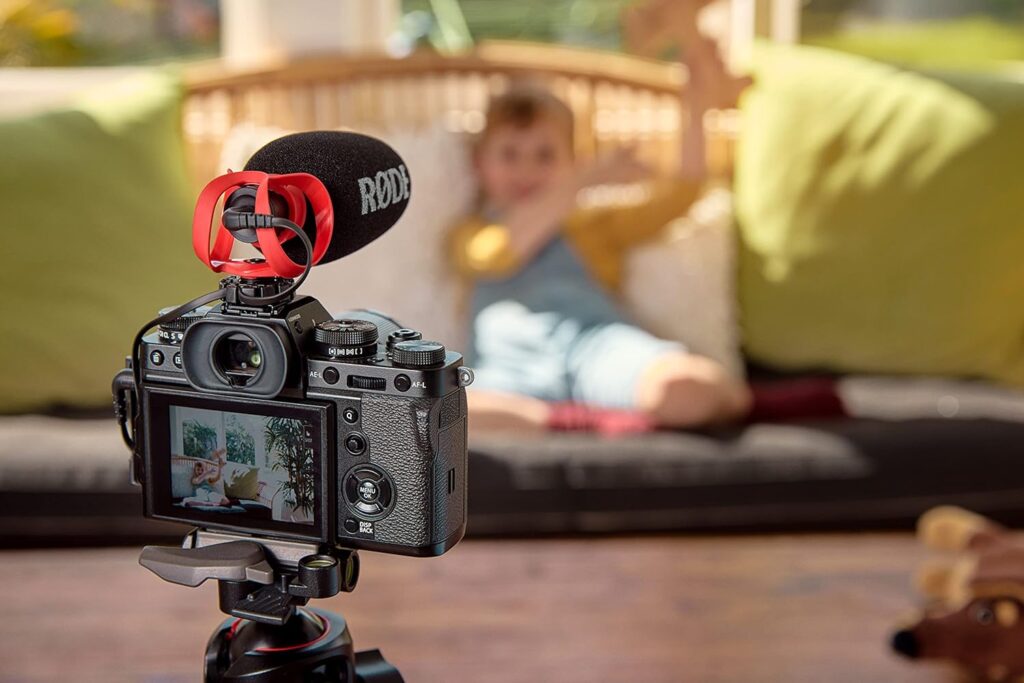
4. Shotgun Microphone
Shotgun microphones are built for focused sound capture. They pick up audio from directly in front of the mic while minimizing noise from the sides and rear. This makes them perfect for filmmaking, documentaries, outdoor shoots, and professional video recording. Shotgun microphones work best when pointed directly at the sound source and are excellent for capturing dialogue from a distance. If you need clean audio in busy or outdoor environments, a shotgun microphone is an excellent solution. BUY NOW
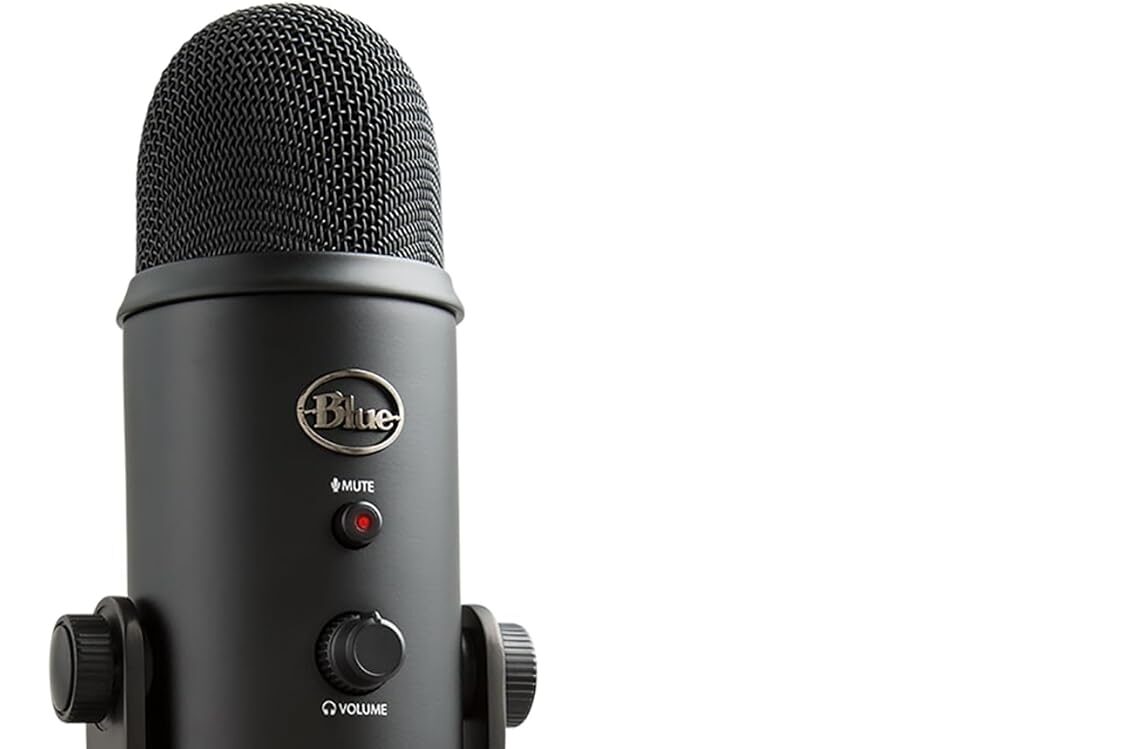
5. USB Microphone
USB microphones are designed for simplicity and convenience. They connect directly to computers without the need for mixers or audio interfaces. This makes them extremely popular among beginners, streamers, gamers, and podcasters. USB microphones include built-in audio converters and offer surprisingly good sound quality for home setups. While they lack the flexibility of professional XLR microphones, they are affordable, easy to use, and perfect for getting started quickly. BUY NOW
Buyer’s Guide – How to Choose the Right Type of Microphone
Choosing the right microphone starts with understanding your needs.
Purpose matters most. Live performers benefit from dynamic microphones, while studio creators often prefer condenser mics. Interviewers and presenters need lavalier microphones, while video creators rely on shotgun mics.
Sensitivity affects sound quality. Condenser microphones capture more detail but also more noise. Dynamic microphones are better for untreated rooms.
Directional pickup patterns help control unwanted noise. Cardioid and shotgun patterns focus on your voice, while omnidirectional mics capture sound from all directions.
Power requirements and connectivity are also important. USB microphones are simple, while XLR microphones offer professional flexibility.
Finally, consider your environment. A well-placed microphone in the right room can outperform an expensive mic used incorrectly.
Additional Information – FAQ, Notes & Tips
FAQ
1. What are the main types of microphones?
Dynamic, condenser, lavalier, shotgun, and USB microphones.
2. Which microphone type is best for beginners?
USB and dynamic microphones are easiest to use.
3. Are condenser microphones better than dynamic microphones?
Not always—each works best in different environments.
4. Can one microphone handle all tasks?
Some are versatile, but no single mic is perfect for everything.
5. What microphone is best for voice recording?
Condenser and lavalier microphones are commonly used.
Important Notes & Tips
- Match your microphone to your recording space
- Mic placement matters more than price
- Use pop filters and windscreens when needed
- Test your setup before important recordings
- Upgrade gradually as your needs grow
Conclusion
Understanding the different types of microphones is the key to achieving better audio quality. Each microphone type—dynamic, condenser, lavalier, shotgun, and USB—has its own strengths and ideal use cases. Choosing the right one depends on your environment, goals, and experience level.
This guide has simplified microphone selection so you can avoid common mistakes and invest confidently. Whether you’re just starting out or upgrading your setup, the right microphone will dramatically improve clarity, reduce noise, and make your content sound more professional. A microphone isn’t just a piece of equipment—it’s the foundation of great audio. Choose wisely, and your sound will speak for itself.