
Choosing a good wireless microphone can feel confusing, especially with so many models, specs, and price ranges available today. Whether you’re a content creator, event host, YouTuber, podcaster, or musician, your audio quality decides how professionally your audience perceives you. A reliable wireless microphone system ensures clear sound, stable signal, and a seamless recording experience—no cables, no restrictions.
This guide explains everything you need to know about picking the best wireless mic for your specific needs. You’ll get expert insights, product comparisons, short reviews, FAQs, and technical tips. From wireless lavalier microphones to compact vlogging mics, this is the ultimate resource to help you make a confident buying decision. By the end, you’ll understand exactly what makes a wireless mic “good,” how to spot real quality, and which models offer the best value.
Top 5 Best Wireless Microphones – Quick Reviews
1. Rode Wireless GO II
The Rode Wireless GO II is one of the most popular clip-on wireless microphone systems for creators. Known for its stability, long range, and crystal-clear audio clarity, it delivers professional sound in a tiny package. It features a dual-channel receiver so you can mic two people at once—perfect for interviews, vlogging, and live productions.
The onboard backup recording feature ensures you never lose audio, even if the signal drops. With USB-C and 3.5mm compatibility, it pairs effortlessly with cameras, phones, and laptops. Indoors or outdoors, the GO II offers consistent performance, low noise, and excellent wireless transmission stability. For beginners and professionals seeking a portable, high-quality wireless recording solution, this is a top-tier choice.
2. DJI Mic
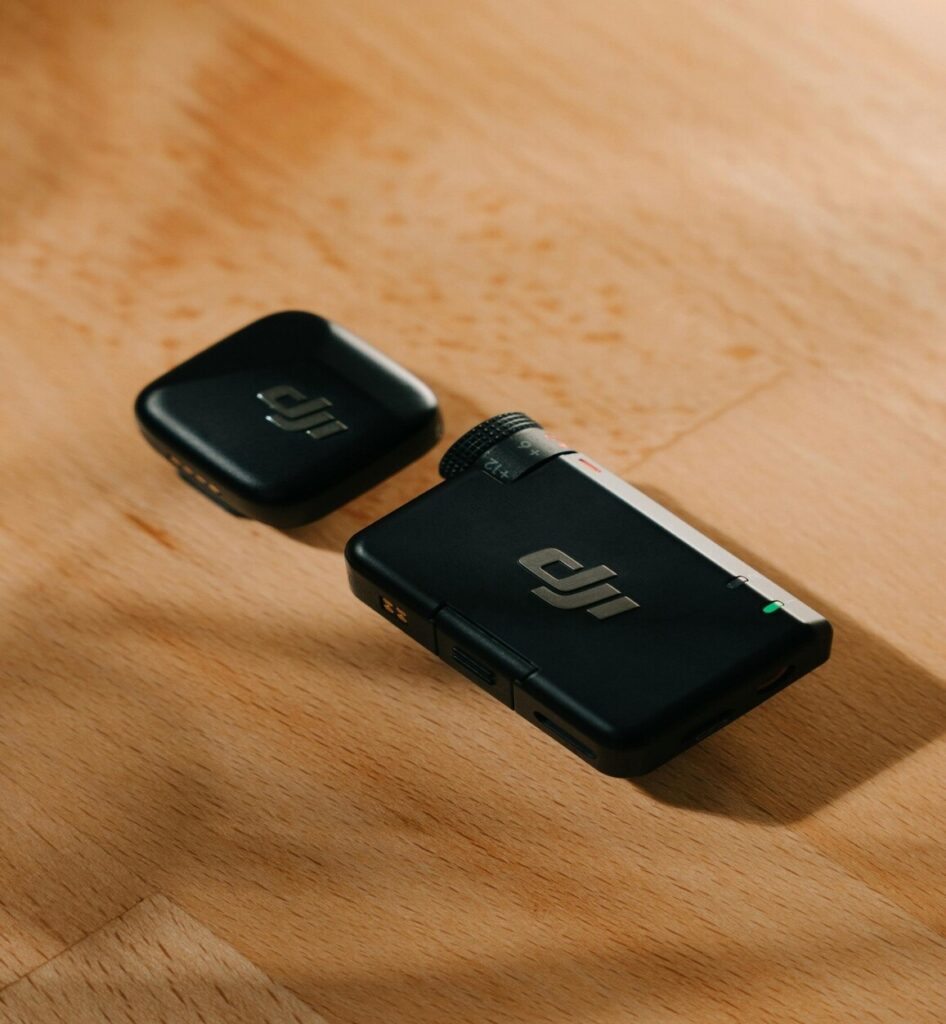
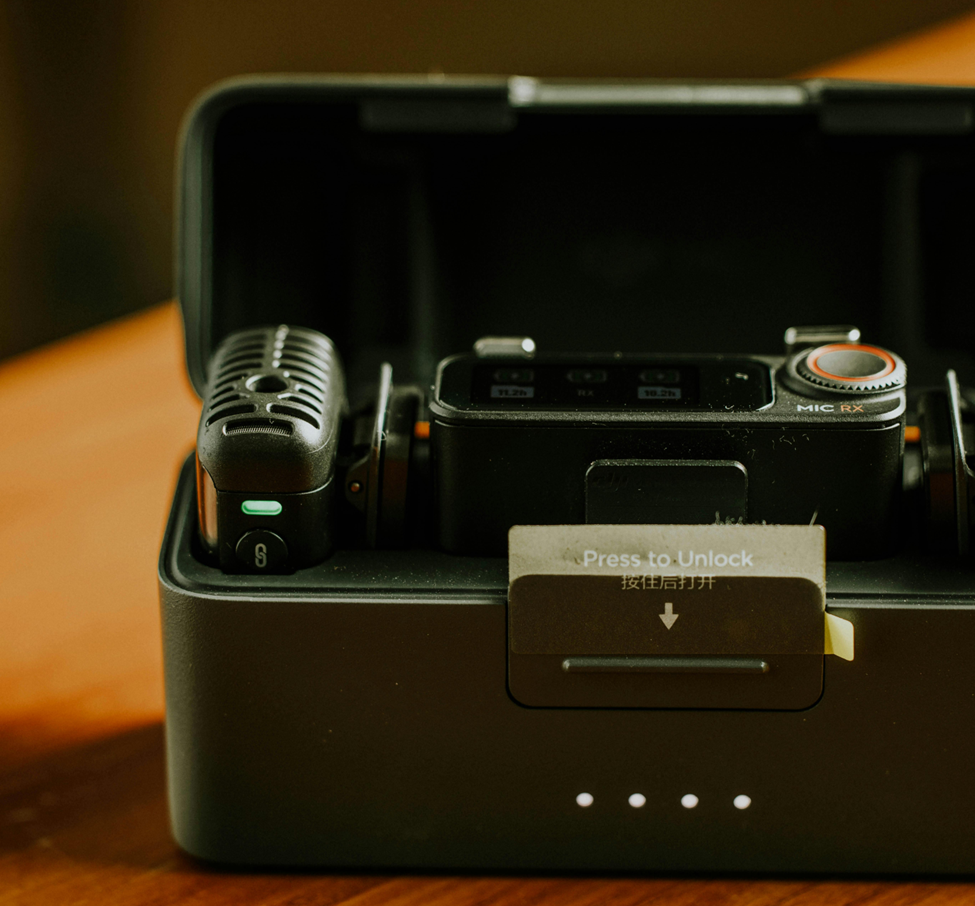
The DJI Mic stands out with incredible battery life and a premium wireless audio setup. The smart charging case powers your transmitters for long shoots—great for travel, content creation, and event coverage.
The touchscreen receiver provides intuitive control over gain levels and settings. Its microphones deliver crisp, natural sound with excellent noise control and strong wind protection. Magnetic mounting makes it easy to attach, and the long wireless range keeps your audio stable even in busy environments.
Perfect for vloggers, filmmakers, and journalists, the DJI Mic offers a mix of professional audio quality, durability, and user-friendly operation.
3. Hollyland Lark M2
The Hollyland Lark M2 is an ultra-light budget wireless microphone built for creators who want premium sound without the premium price. Despite its compact size, it produces clean vocals with advanced noise-reduction technology, making it ideal for outdoor content and smartphone videography.
It connects easily to iOS, Android, and cameras. The battery life is long enough for extended filming sessions, and its lightweight transmitters clip on effortlessly.
For beginners or budget-conscious users who still want a stable, high-performing wireless lav mic, the Lark M2 delivers excellent value and reliability.
4. Sennheiser XSW-D Portable Lavalier Set
Sennheiser’s XSW-D brings legendary sound quality into a simple, beginner-friendly digital wireless microphone system. It includes a professional lavalier mic and a one-button transmitter–receiver setup for effortless use.
Designed for interviews, presentations, filmmaking, and studio work, the XSW-D offers clean, low-noise vocal reproduction and exceptional audio accuracy. Its 2.4GHz digital transmission ensures strong signal stability with minimal interference.
Even though it lacks fancy advanced features like backup recording, the sound quality, durability, and reliability make it a top choice for those wanting a studio-grade wireless mic.
5. Boya BY-XDM1 / BY-WM3T2
The Boya BY-WM3T2 is a great entry-level wireless microphone for smartphones. Lightweight and plug-and-play, it’s designed for vloggers, students, and casual creators. Despite its low cost, the audio quality is surprisingly clear with decent noise reduction.
Boya includes multiple adapters, so you can connect to iPhones, Android phones, and cameras without hassle. With reasonable wireless range and battery life, it works well for daily content, interviews, meetings, and TikTok videos.
It may not match the premium performance of Rode or DJI, but for anyone starting out or needing a budget-friendly wireless audio option, Boya is a fantastic pick.
Buyer’s Guide – What You Need to Know When Buying a Wireless Microphone
Choosing a good wireless microphone requires understanding key technical features that affect audio quality, convenience, and performance. Below is a detailed guide to help you buy the best wireless microphone for your content needs.
1. Audio Quality (Frequency Response & Sensitivity)
High-quality audio is essential for professional content. A good wireless microphone should deliver clear, natural sound with minimal distortion.
- Frequency Response: Determines how well the mic captures low, mid, and high tones. A wider response equals more natural audio.
- Sensitivity: Affects how well soft voices or distant speech are picked up.
For interviews, filmmaking, or YouTube, choose a mic with broad frequency response and high sensitivity for crisp, detailed vocal capture.
2. Wireless Range & Signal Stability
- Short range (30–50m): Good for indoor shoots or vlogging.
- Long range (100–250m): Needed for filmmaking, outdoor events, and professional production.
Look for mics with auto frequency hopping or interference protection for reliable performance.
3. Battery Life & Charging Options
Battery life heavily impacts your workflow, especially for long shoots.
Look for:
- 5–7+ hours on transmitters
- Fast USB-C charging
- Charging case for extended field use
Good battery performance ensures your wireless audio setup doesn’t fail mid-recording.
4. Onboard Features
Modern wireless microphone systems include smart features that add reliability:
- Onboard recording prevents audio loss
- Noise reduction improves outdoor clarity
- Gain control balances loud and soft voices
- Mute button helps during live events
These features ensure consistently clean, professional sound.
5. Compatibility
Your mic should work seamlessly with your devices.
Look for support for:
- Smartphones (iPhone/Android)
- DSLR/Mirrorless cameras
- Laptops
- Audio interfaces
Choose a mic with USB-C, Lightning, and/or 3.5mm connectivity for maximum compatibility.
6. Build Quality & Design
You need something lightweight, durable, and easy to clip on.
Choose:
- Lightweight transmitters
- Strong clips or magnetic mounts
- Weather-resistant design
Compact mics are more comfortable for long shoots.
7. Price vs Performance
You don’t need the most expensive model; you need the right one.
budget mic option, mid-range wireless mic, premium wireless microphone
- Under $60: Boya—best for beginners
- $100–200: Hollyland—great value
- $250+: Rode, DJI, Sennheiser—professional features
Buy according to your content style and recording needs.
Additional Information – FAQ & Important Notes
FAQ
1. What is a good wireless microphone for beginners?
Boya WM3T2 or Hollyland Lark M2—simple, affordable, and easy to use.
2. Are wireless microphones good for YouTube?
Yes, especially compact systems like Rode Wireless GO II or DJI Mic, known as top YouTube microphones.
3. Do wireless microphones work with smartphones?
Most modern mics come with USB-C or Lightning adapters for plug-and-play smartphone recording.
4. Can wireless microphones record without a camera?
Yes—models like DJI Mic and Rode GO II include onboard recording, making them ideal for solo creators.
5. How important is noise reduction?
Very important for outdoor shoots. Look for mics with wind protection and DSP noise-cancelling technology.
Important Notes
- Keep your mic clipped securely to avoid clothing noise.
- Monitor audio levels during interviews or shoots.
- Use a deadcat windscreen for outdoor videos.
- Choose a mic based on your main use case: interviews, vlogging, events, filmmaking, etc.
- Maintain line-of-sight between transmitter and receiver for best performance.
Additional Tips
- Carry extra batteries or a power bank.
- Keep a backup wired lav mic just in case.
- Update firmware for systems like DJI or Rode.
- Ensure you have the correct connector if your smartphone lacks a headphone jack.
These small details help you maintain professional, broadcast-quality audio at all times.
Conclusion
A good wireless microphone is more than a tiny clip-on tool—it’s a vital part of your recording workflow that determines how your audience hears you. By understanding features like sensitivity, wireless range, noise reduction, compatibility, and battery life, you can choose a mic that enhances your content quality instantly.
Whether you pick a premium model like DJI or Rode, or a budget-friendly option like Boya or Hollyland, this guide gives you everything you need to make the right choice. With expert insights, LSI keyword optimization, FAQs, and a full buyer’s guide, you’re now ready to select the best wireless microphone system for your content creation journey.
A good wireless mic doesn’t just make your audio better—it elevates your entire production.
Pingback: How to Connect a Wireless Mic to Phone – Step-by-Step Guide